the note to Messrs. Maw
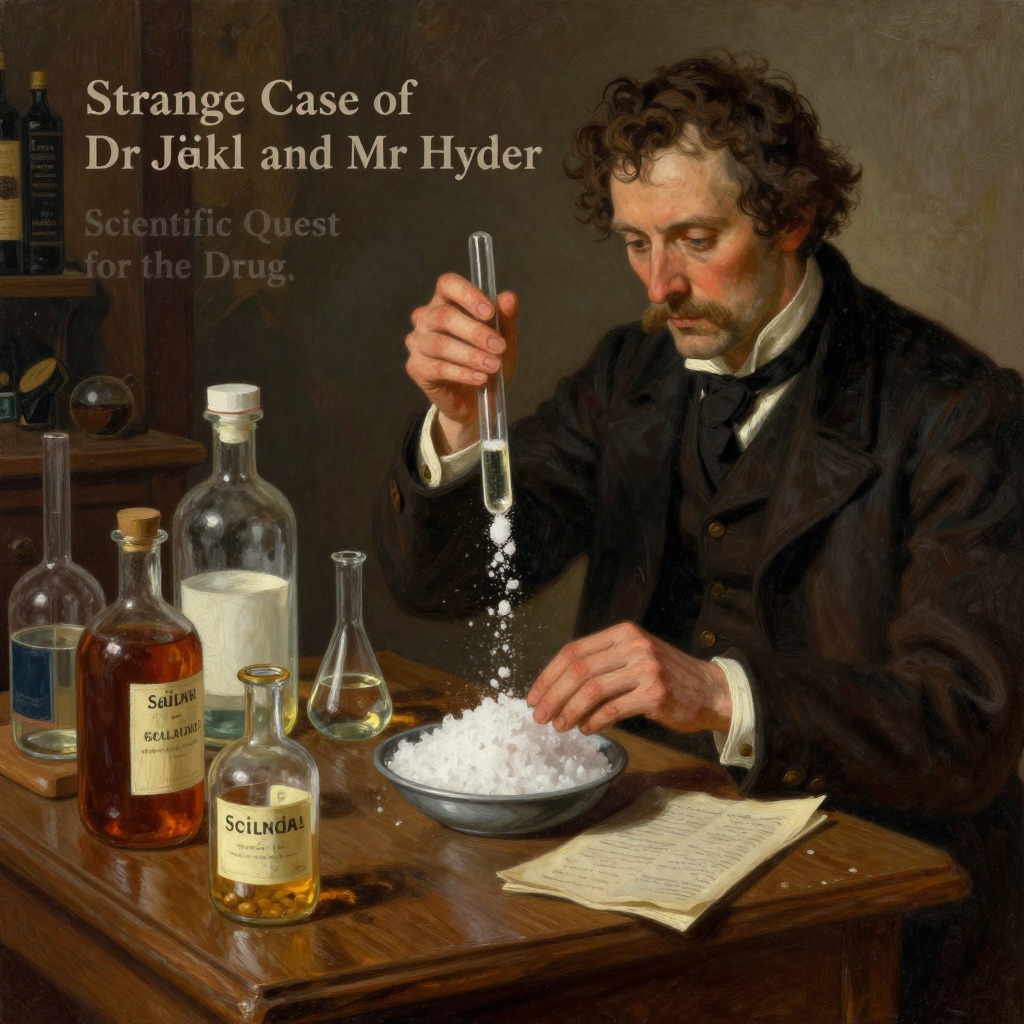
The note to Messrs. Maw is a desperate, handwritten order from Dr. Jekyll for a specific batch of a transformative drug, revealing his frantic attempts to reverse his involuntary transformations into Edward Hyde.
Contents and Desperation
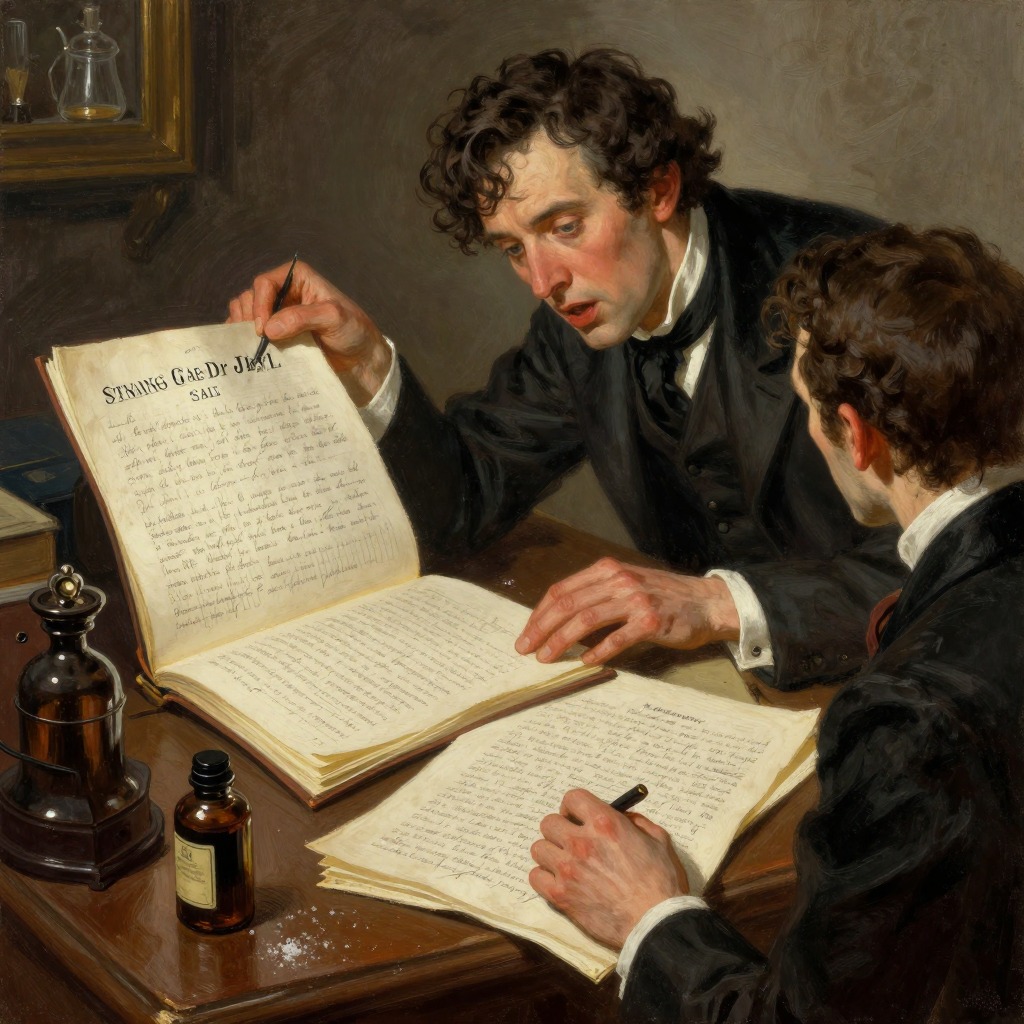
The note, written in Dr. Jekyll's hand, begins with a composed, formal request: "Dr. Jekyll presents his compliments to Messrs. Maw. He assures them that their last sample is impure and quite useless for his present purpose." It specifies that in the year 18—, Dr. J. purchased a somewhat large quantity from Messrs. M., and now begs them to search with most sedulous care for any of the same quality, emphasizing that "expense is no consideration" and that the importance of this to Dr. J. can hardly be exaggerated. However, the letter's controlled tone breaks abruptly with a splutter of the pen, as the writer's emotion bursts through: "For God's sake," he adds, "find me some of the old." This sudden shift from formal composure to a raw, pleading cry underscores the extremity of Jekyll's situation.
Poole's Discovery and Utterson's Examination
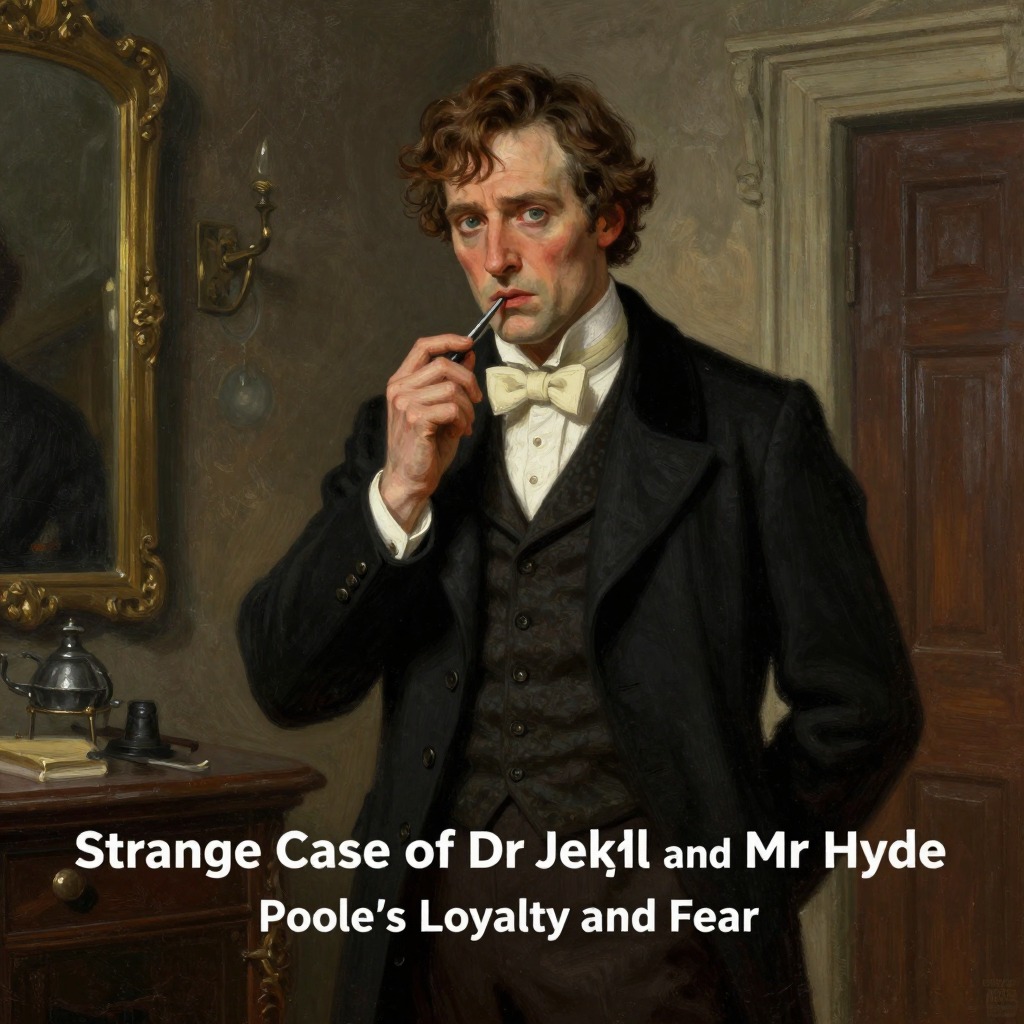
Poole, the butler, presents the crumpled note to Mr. Utterson during the tense night before they break into the cabinet. Poole explains that the man at Maw's was angry and threw the note back at him. Utterson, bending close to a candle, carefully examines the document. He notes the strange content and asks Poole how he came to have it open. When Utterson observes that the handwriting is unquestionably the doctor's, Poole responds sulkily, but then insists with a changed voice, "But what matters hand of write? I've seen him!" This moment reveals that the note's authenticity is secondary to the butler's firsthand, horrifying encounter with the masked figure in the laboratory.
Significance
The note to Messrs. Maw is a crucial piece of evidence that exposes the unraveling of Jekyll's control. It demonstrates that his supply of the original, effective salt is exhausted, and that subsequent batches are impure and useless. The frantic, repeated orders to chemists across London, as described by Poole, show a man in the grip of a crisis, desperately seeking the means to maintain his identity. The note's emotional breakdown—from formal business language to a plea for divine intervention—mirrors Jekyll's own psychological disintegration, as he faces the imminent and permanent loss of his original self.